
Vermont's Covered Bridges - Chittenden County
CHITTENDEN COUNTY · VERMONT
Covered Bridges in Chittenden County
Discover four covered bridges in Westford, Charlotte and Shelburne, with original photographs, corrected location notes and links to help plan your visit.
VILLAGE STOPS. LAKESHORE ROADS. HISTORIC TIMBER CROSSINGS.
Home / Covered Bridges / Chittenden County
FIND YOUR NEXT LOCAL DISCOVERY
Explore bridges around Westford, Charlotte and Shelburne
This guide features four Chittenden County bridges: Browns River, Holmes Creek, Seguin and the Shelburne Museum bridge. Their settings range from a village crossing to a museum landscape.
Choose an area to explore and check the arrangements for each stop. A bridge on a local road, a bypassed historic span and a museum attraction do not have the same access rules.
WESTFORD
Browns River Covered Bridge
Also known as Westford Covered Bridge
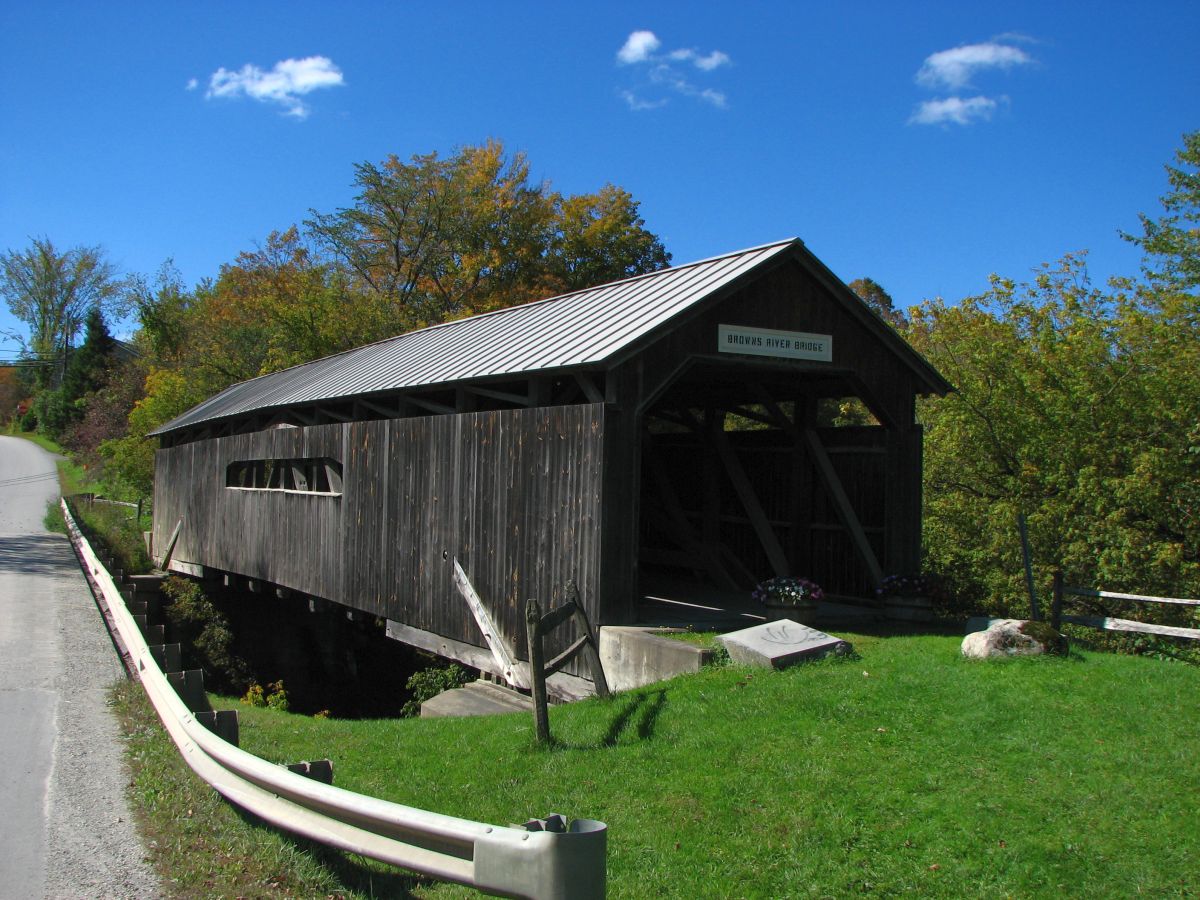
Browns River Covered Bridge stands in Westford near the town center. The town’s history describes its multiple kingpost truss with a Burr arch and explains that a newer crossing replaced it for road traffic.
Location & approach
Research Browns River Covered Bridge in Westford, off VT Route 128. The town identifies it as within walking distance of the center. Confirm permitted parking and the current pedestrian approach before visiting.
Before you visit: Plan this as a Westford stop, separate from the Charlotte bridges. Check town information for repairs or access changes.
CHARLOTTE
Holmes Creek Covered Bridge
Also known as Lakeshore Covered Bridge
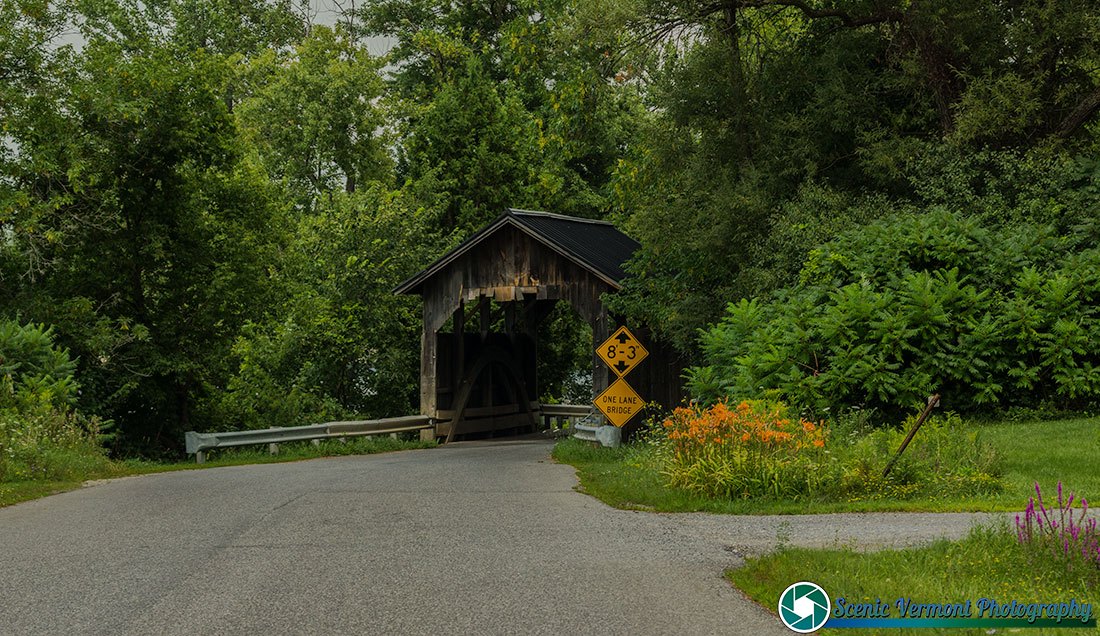
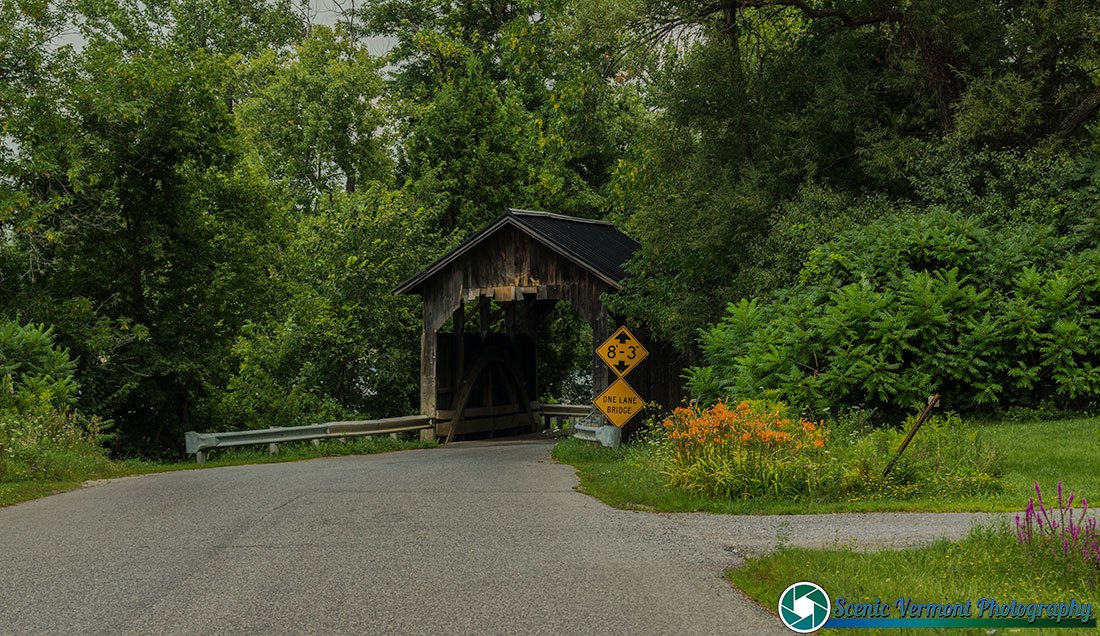
Holmes Creek Covered Bridge crosses Holmes Creek on Lake Road in Charlotte. This one-lane crossing near the lakeshore makes a different stop from Charlotte’s inland Seguin bridge.
Location & approach
Look for Holmes Creek Covered Bridge on Lake Road near Charlotte Beach. Research the approach from Ferry Road and use current navigation for your final route.
Before you visit: Follow current road signs and vehicle restrictions. Do not assume nearby beach facilities provide unrestricted parking for a bridge visit.
CHARLOTTE
Seguin Covered Bridge
Also called Sequin or Upper Covered Bridge
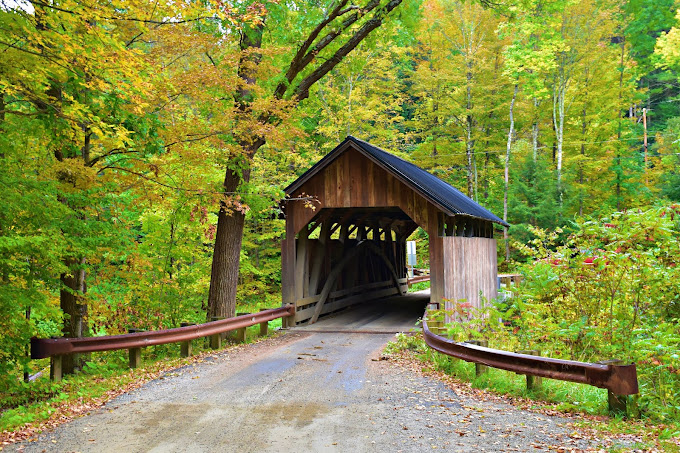
Seguin Covered Bridge crosses Lewis Creek on Roscoe Road in Charlotte. The town’s history lists the bridge under the spelling Sequin; both names appear in local references.
Location & approach
Use Roscoe Road in Charlotte as the location when planning your visit. This bridge is not on the Lake Road route used for Holmes Creek. Confirm the current approach and a permitted place to stop.
Before you visit: Keep the roadway and private driveways clear, and follow posted access and vehicle restrictions.
SHELBURNE
Shelburne Museum Covered Bridge
A historic bridge within the museum grounds
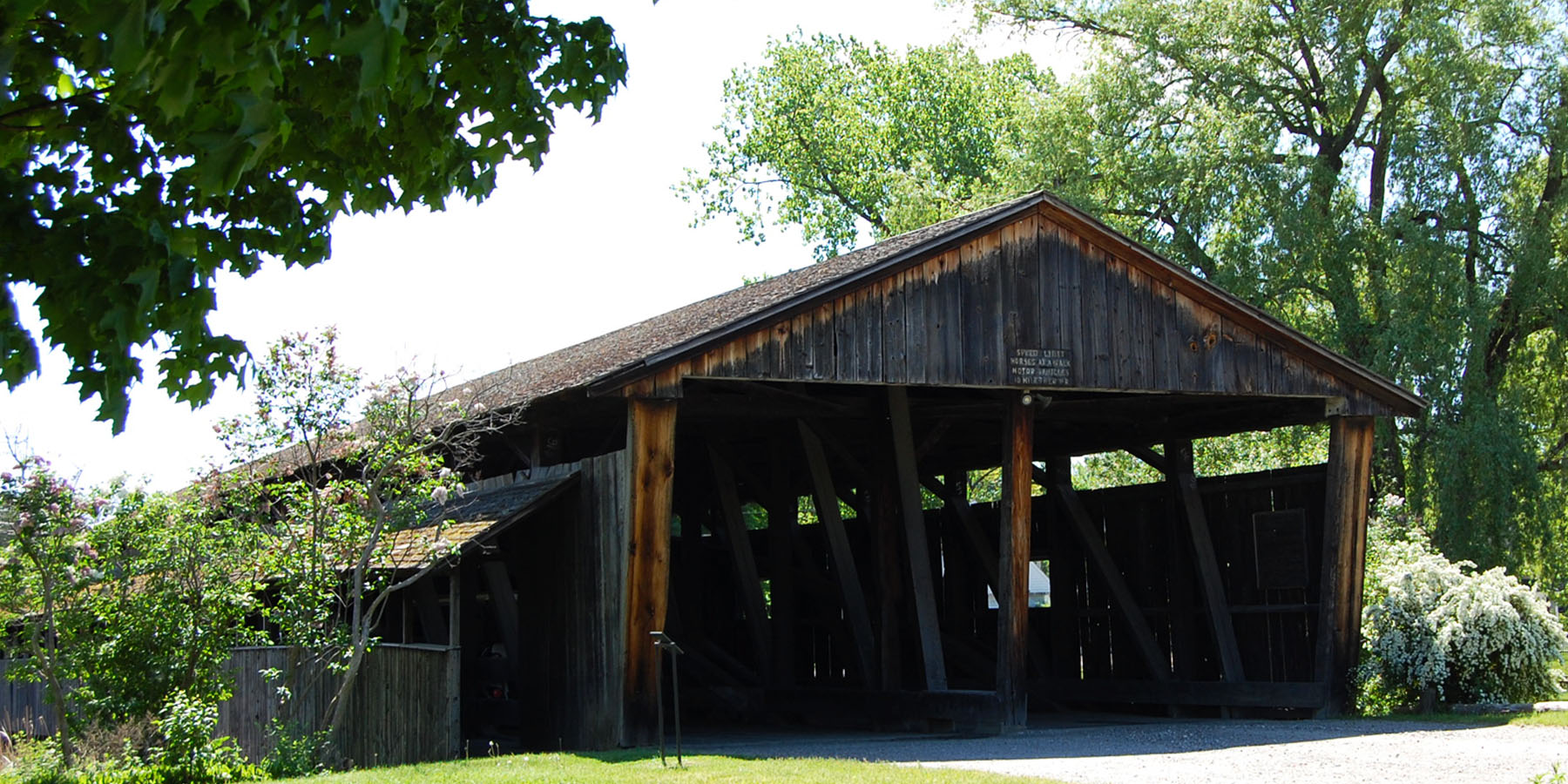
Built in 1845 for the Lamoille River in Cambridge, this two-lane bridge was moved to Shelburne Museum in 1949. The museum describes its Burr arch truss, two vehicle lanes and separate footpath. It now spans a man-made pond.
Location & approach
Plan your visit through Shelburne Museum’s official visitor information. Use the museum’s designated visitor entrance and current directions.
Before you visit: Check the museum’s current opening dates, admission arrangements and access to the bridge. This is a museum attraction, not a public-road crossing.
PLAN A DAY THAT FITS YOUR PACE
Group your bridge stops by area
Westford village outing
Make Browns River your focus when exploring Westford. Start with the town’s bridge history and confirm the current walking approach before you go.
Charlotte & Shelburne
Research Holmes Creek and Seguin as separate Charlotte stops. If you also plan a museum visit in Shelburne, check admission and opening arrangements and allow enough time for the grounds.
ENJOY THE VIEW. RESPECT THE PLACE.
Tips for your covered-bridge visit
Use permitted parking, keep roadways and private driveways clear, and take photographs from a safe location outside traffic lanes. Follow closures and vehicle restrictions, and do not climb on bridge timbers.
Check current access before traveling. For the museum bridge, follow the museum’s visitor instructions. For a bypassed crossing, confirm whether the pedestrian approach is open.
Chittenden County bridge questions
Which Chittenden County bridges are featured here?
This guide includes Browns River in Westford, Holmes Creek and Seguin in Charlotte, and the covered bridge at Shelburne Museum. It is a selection of places to explore, not an inventory of every covered structure.
Where is Browns River Covered Bridge?
Browns River Covered Bridge is in Westford near the town center and VT Route 128. It is not the bridge on Roscoe Road in Charlotte.
Are Holmes Creek and Seguin on the same road?
No. Holmes Creek is on Lake Road in Charlotte; Seguin, also spelled Sequin, is on Roscoe Road. Check directions for each bridge separately.
Do I need to plan a museum visit to see its bridge?
The bridge is within Shelburne Museum’s grounds. Check the museum’s current opening dates, admission arrangements and visitor directions before planning access.
Can I drive through all four bridges?
No. The guide includes different types of sites, including a bypassed historic bridge and a museum bridge. Check current access and posted vehicle restrictions for each location.
MORE VERMONT TO DISCOVER
Find another bridge along the way
Continue with the statewide map, county directory and background guide to Vermont’s covered bridges.