
Top 20 Vermont Kayaking & Paddleboarding Spots (With Photos)
Vermont’s lakes, rivers, and reservoirs provide hundreds of miles of paddling opportunities, from beginner-friendly flatwater to wilderness adventures. Whether you’re exploring the Champlain Valley, the Green Mountains, or the Northeast Kingdom, you’ll find unforgettable kayaking and paddleboarding experiences.
Vermont’s Signature Paddling Destinations
Lake Champlain
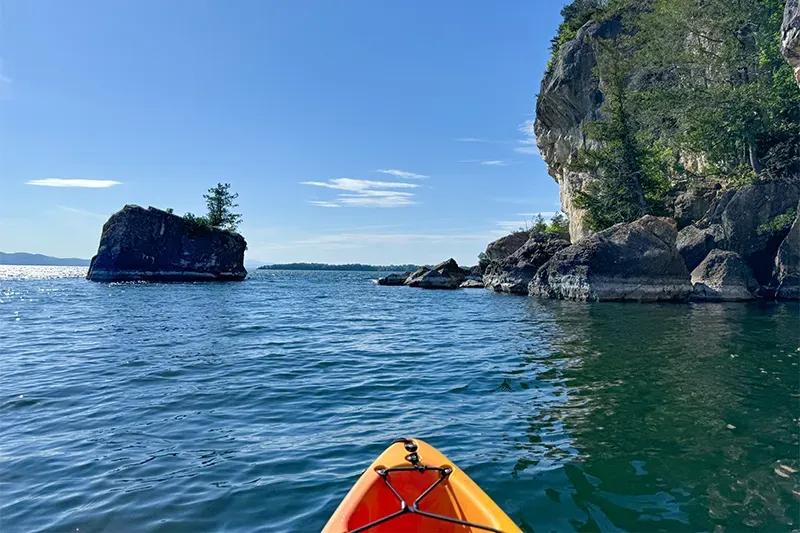
Lake Champlain is a large freshwater lake on the border between the U.S. states of Vermont and New York, extending north into Canada. It is one of North America’s largest lakes and serves as an important natural, economic, and recreational resource. The lake is known for its scenic mountain surroundings, rich history, and diverse opportunities for boating, fishing, and tourism.
Recreation and Ecology
Lake Champlain supports a thriving recreational economy centered on sailing, kayaking, fishing, and lakeside tourism. Its waters host species such as Lake Trout, Atlantic Salmon, and Smallmouth Bass. Ongoing conservation efforts focus on maintaining water quality, protecting wetlands, and managing invasive species that can affect the lake’s ecosystem.
Best For: Island hopping, sunsets, wildlife viewing
- 120 miles long with hundreds of miles of shoreline
- Explore the Champlain Islands and secluded coves
- Excellent opportunities to spot bald eagles and ospreys
- Suitable for beginners in protected bays and advanced paddlers on open water
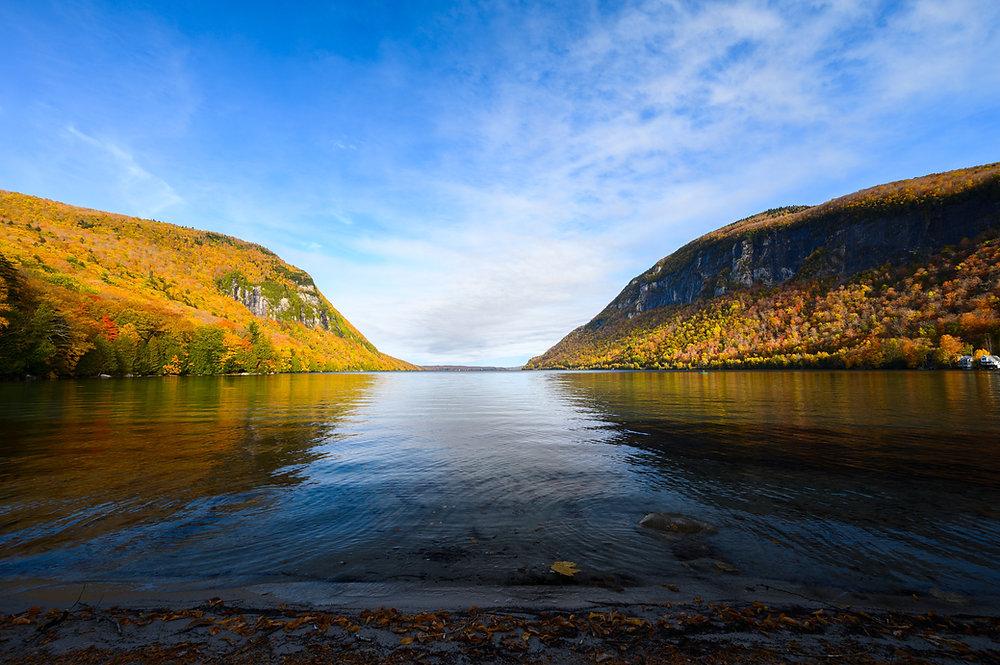
Lake Willoughby is a glacial lake in the town of Westmore, located in Vermont’s Northeast Kingdom. Known for its remarkably clear water and dramatic mountain setting, it is often compared to a Norwegian fjord and is widely regarded as one of the state’s most scenic natural landmarks.
Recreation
The lake is a year-round destination for outdoor recreation. Popular activities include swimming, kayaking, canoeing, boating, fishing, hiking, ice fishing, and photography. Public beaches are located at both the north and south ends, and hiking trails on Mount Pisgah and Mount Hor offer some of Vermont’s most celebrated lake views.
Best For: Spectacular scenery
- Often compared to a fjord because of its steep mountain walls
- Crystal-clear water and dramatic cliffs
- One of Vermont’s most photographed lakes
- Best paddled in the morning before winds increase
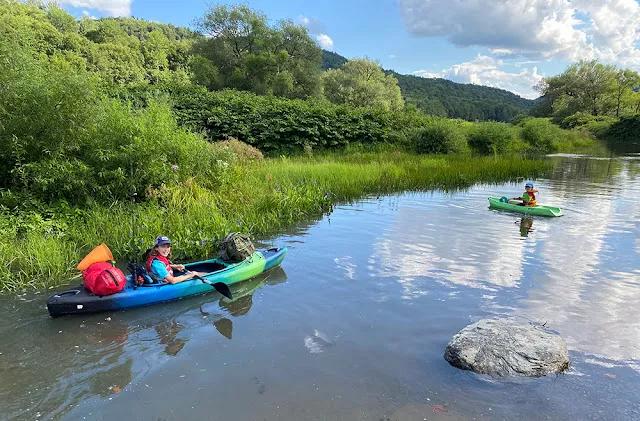
Waterbury Reservoir is a large reservoir in central Vermont, located near Waterbury and surrounded by the forests and mountains of the Green Mountains region. Created by the construction of Waterbury Dam in the 1930s, it serves both flood-control and hydroelectric purposes while also functioning as one of Vermont’s most popular outdoor recreation destinations.
Recreation and Outdoor Activities
The reservoir is widely used for boating, kayaking, canoeing, paddleboarding, swimming, fishing, hiking, and wildlife viewing. Waterbury Center State Park provides day-use access with a swimming area, boat launch, fishing access, and boat rentals, while nearby Little River State Park offers camping and additional shoreline access. Remote paddle-to campsites along the reservoir’s shores are especially popular with visitors seeking a more secluded experience
Best For: Families and beginners
- Protected coves and calm conditions
- Surrounded by Green Mountain scenery
- Popular for paddleboarding and recreational kayaking
- Easy access from Interstate 89
Green River Reservoir State Park. Hyde Park, Vermont
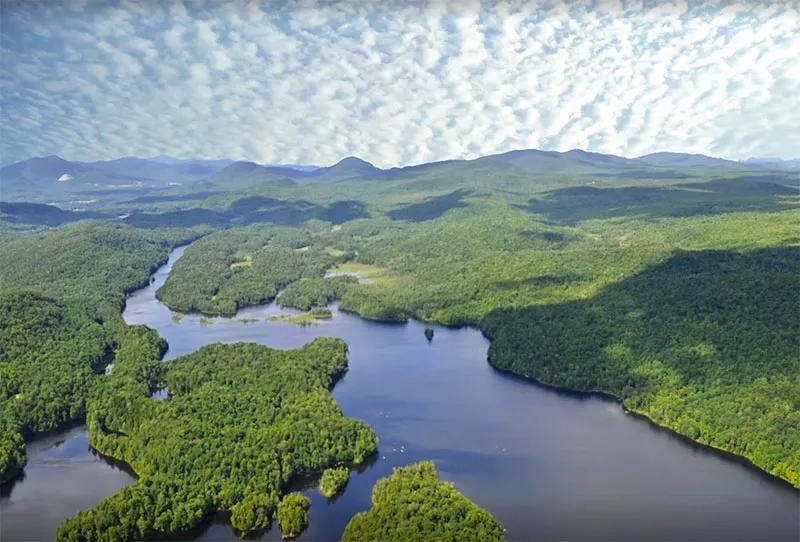
Green River Reservoir is a large, undeveloped reservoir and recreation area in Hyde Park, Vermont, surrounded by one of the state’s most extensive protected natural landscapes. Known for its quiet waters, remote shoreline, and boat-access-only campsites, it is widely regarded as one of Vermont’s premier destinations for paddling, wildlife observation, and backcountry-style camping.
Recreation
Green River Reservoir is best known for canoeing, kayaking, paddleboarding, swimming, fishing, and wildlife watching. Motorized recreation is intentionally limited; only human-powered watercraft and boats with low-speed electric motors are permitted. The calm water and minimal shoreline development make it especially popular with paddlers seeking a quiet outdoor experience.
Best For: Wilderness adventures
- Over 19 miles of undeveloped shoreline
- Paddle-in campsites available
- Frequent loon sightings
- Minimal motorboat traffic
Southern & Central Vermont Favorites
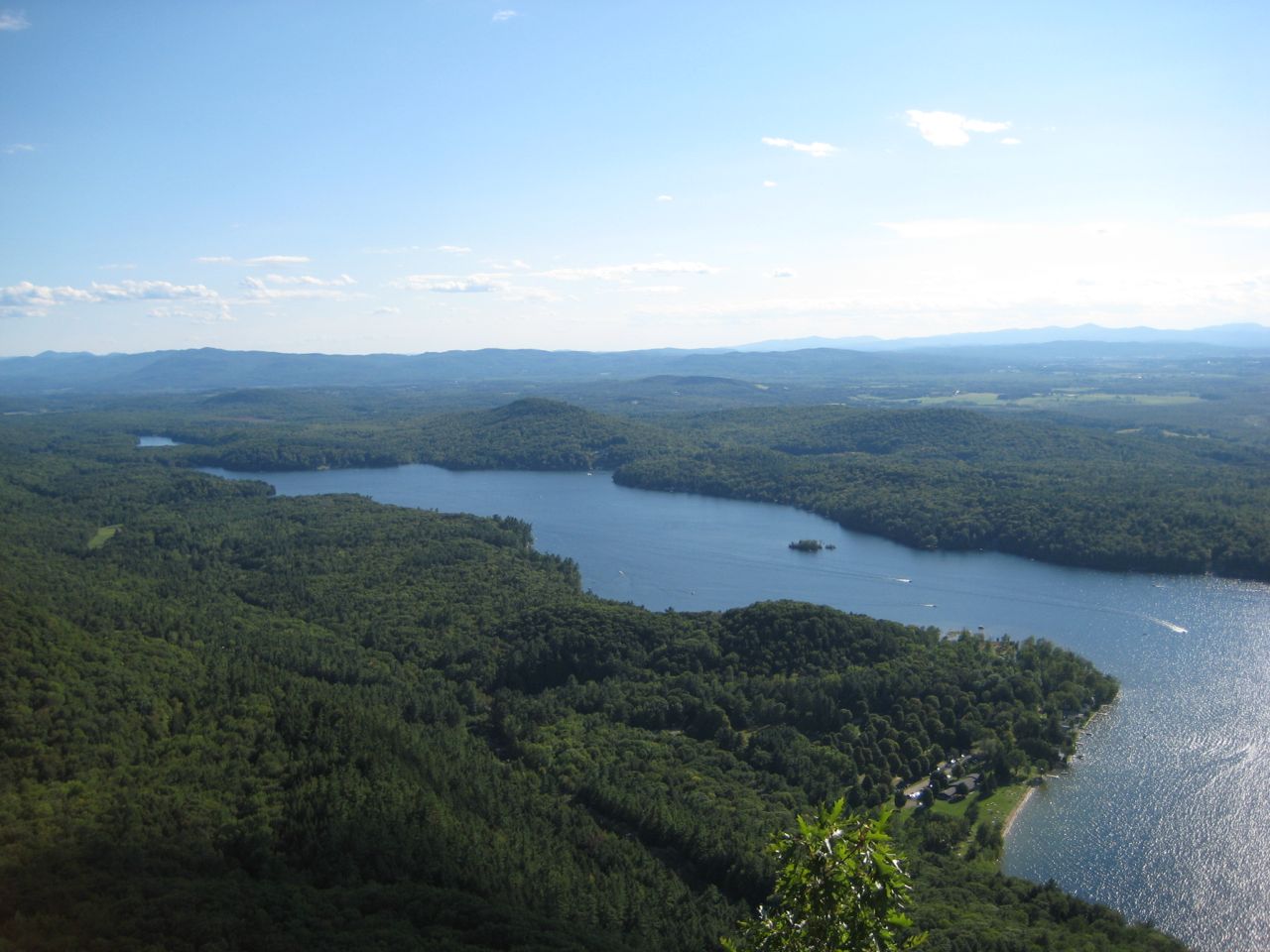
Lake Dunmore is a natural freshwater lake in Addison County, Vermont, situated primarily in the towns of Leicester and Salisbury along the western edge of the Green Mountains. Known for its scenic setting, recreational opportunities, and proximity to the Moosalamoo area of the Green Mountain National Forest, it is one of central Vermont’s most popular lake destinations.
Recreation and Outdoor Use
The lake is a major recreation hub for swimming, boating, paddling, fishing, and lakeside camping. The most accessible public shoreline is found at Branbury State Park, a state park on the eastern shore featuring a sandy beach, campsites, boat rentals, hiking access, and views toward Mount Moosalamoo. Vermont Route 53 follows much of the lake’s eastern and northern shoreline, making the area a popular scenic drive.
Best For: Scenic day trips
- Located near the Green Mountains
- Beautiful foliage paddling in autumn
- Clear water and mountain views
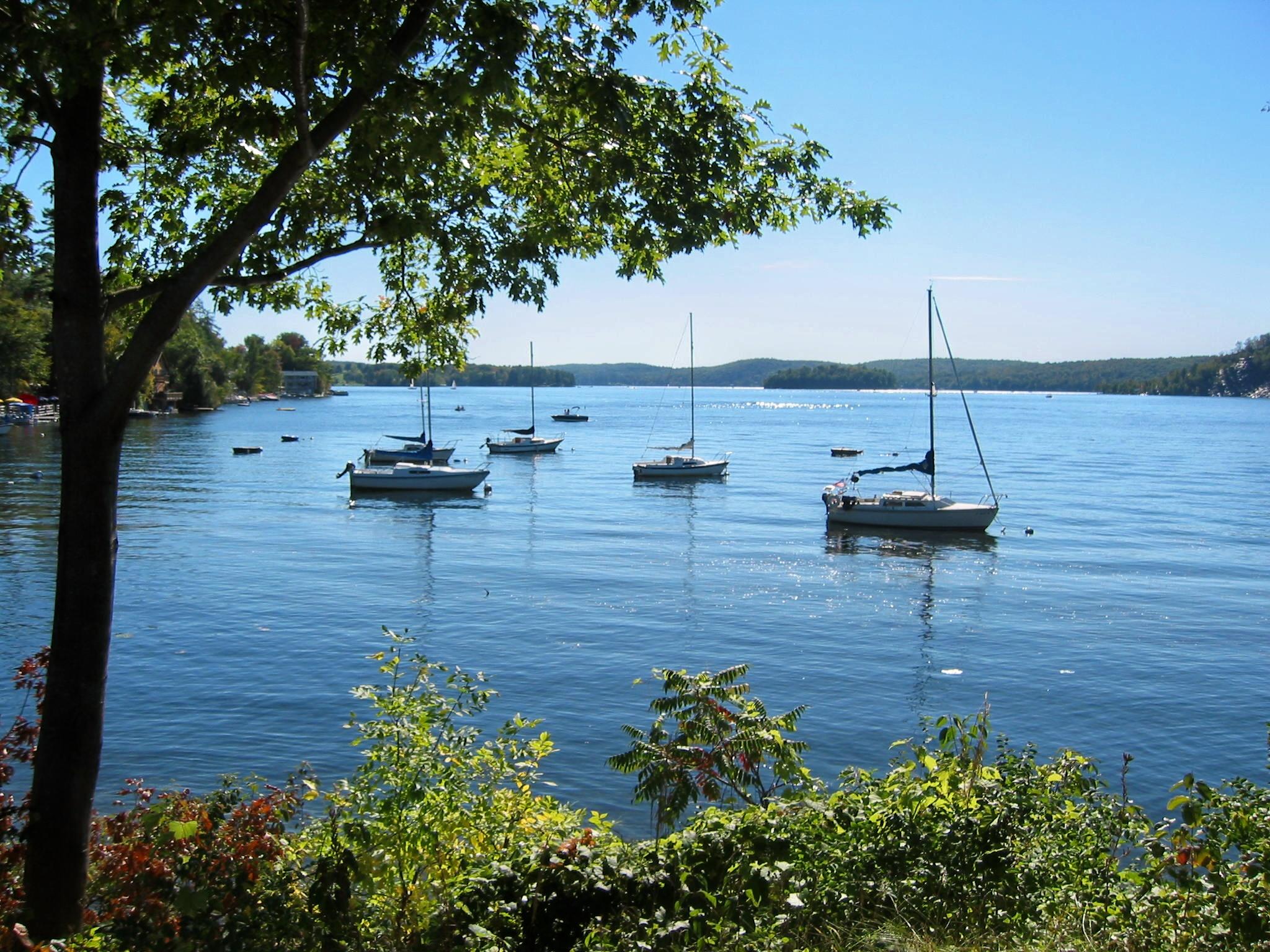
Lake Bomoseen is a large freshwater lake in western Vermont, located primarily in Castleton and partly in Hubbardton. It is widely known as the largest lake located entirely within Vermont’s borders, covering roughly 2,400 acres and stretching for several miles through the Taconic region. The lake is one of Rutland County’s premier recreation destinations and a defining natural feature of the Castleton area.
Recreation and Outdoor Activities
The lake serves as a year-round recreation hub for boating, fishing, swimming, paddling, and lakeside tourism. Popular public access points include Bomoseen State Park on the western shore and Crystal Beach on the eastern side. Anglers target species such as bass and trout, while the lake’s size makes it one of Vermont’s most popular destinations for powerboating and watersports.
Best For: Long paddles
- Largest lake entirely within Vermont
- Numerous coves and inlets
- Great wildlife viewing
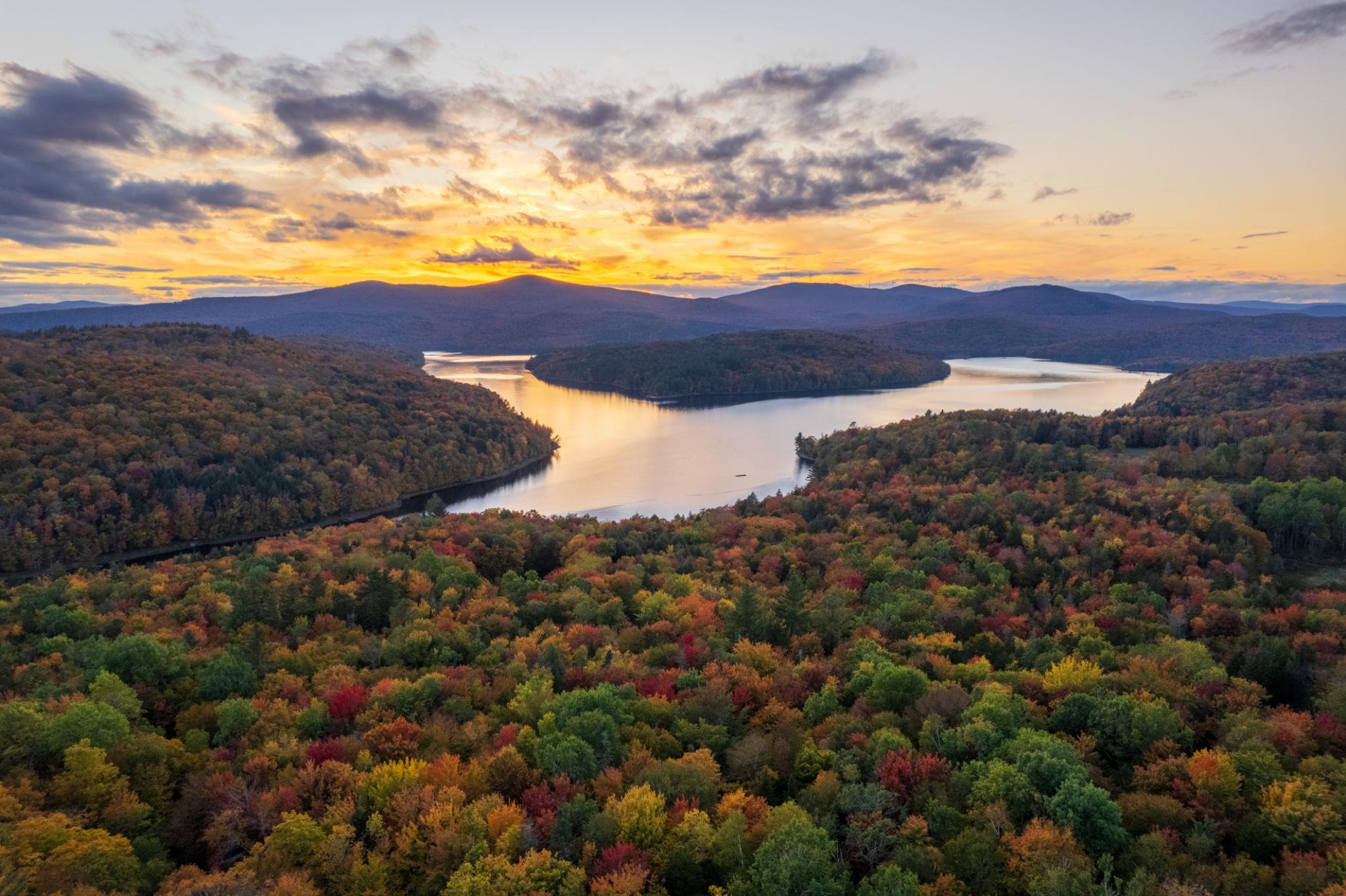
Harriman Reservoir, also known as Lake Whitingham, is a large reservoir on the Deerfield River in southern Vermont near Wilmington. It is widely recognized as the largest body of water located entirely within Vermont and is a major destination for boating, paddling, swimming, fishing, and lakeside recreation.
Recreation and Outdoor Activities
The reservoir is known for its clean water and scenic mountain setting. Popular activities include kayaking, canoeing, paddleboarding, motor boating, fishing, swimming, and shoreline picnicking. Public access areas around Wilmington provide boat launches, beaches, picnic facilities, and connections to hiking and biking trails.
Best For: Full-day exploration
- Nearly nine miles long
- Forested shoreline and remote feel
- One of Southern Vermont’s premier paddling destinations
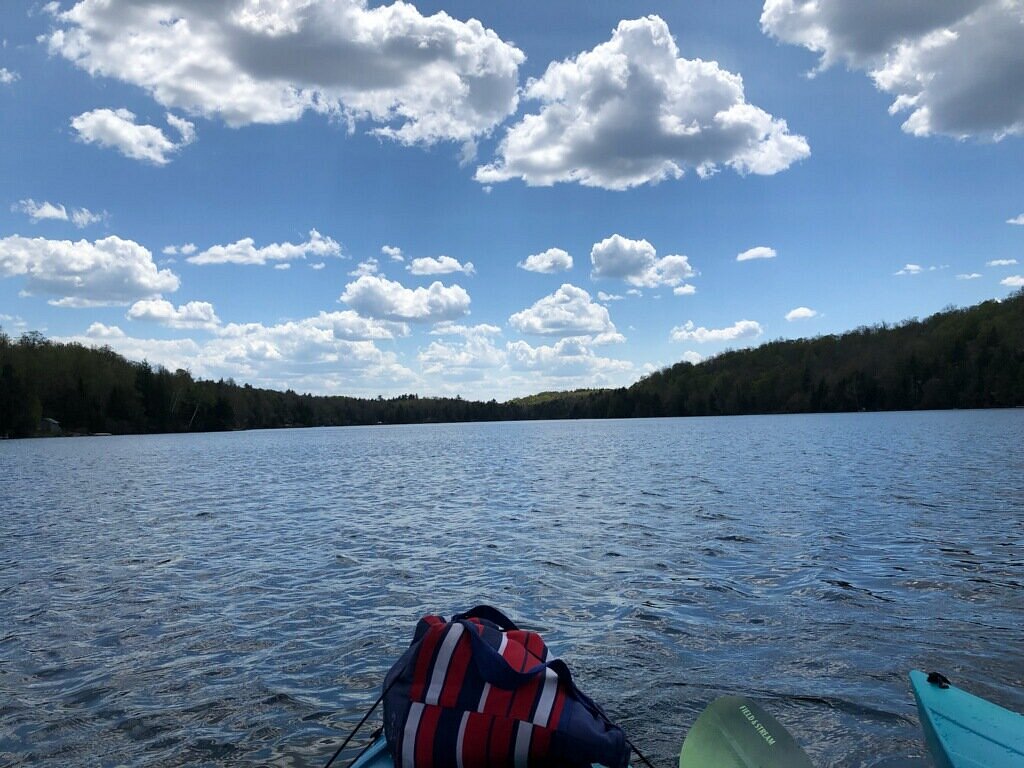
Lake Raponda is a small freshwater lake in Wilmington, Vermont, nestled in the Deerfield Valley of southern Vermont. Known for its quiet atmosphere, clean water, and forested shoreline, it has long been a destination for paddling, swimming, fishing, and seasonal recreation. The lake is located just minutes from downtown Wilmington and the Mount Snow region, making it a popular local getaway.
Recreation
The lake supports a variety of warm-weather activities, including swimming, fishing, and non-motorized boating. Public access is available through a state-managed boat launch, and the nearby Green Mountain Beach area provides public swimming opportunities. The surrounding area also features walking and hiking trails connected to Wilmington’s trail network.
Best For: Stand-up paddleboarding
- Limited-speed boating keeps waters calmer
- Family-friendly atmosphere
- Scenic mountain backdrop
Quiet Lakes & Hidden Gems
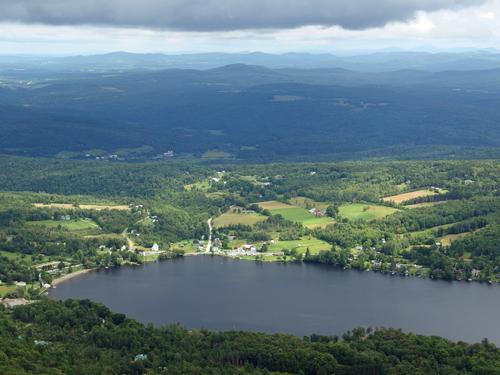
Lake Elmore is a natural freshwater lake in the town of Elmore in north-central Vermont. Covering about 219 acres, it is one of the state’s most recognizable small lakes because of the dramatic rise of Elmore Mountain directly from its western shore and its close association with Elmore State Park.
Recreation
Lake Elmore is a year-round recreation destination. During the warmer months, swimming, boating, paddling, fishing, camping, hiking, and picnicking are popular activities, while winter brings ice fishing and other cold-weather recreation. The state park offers a sandy beach, boat rentals, campground facilities, and trail access to the summit fire tower on Elmore Mountain.
Best For: Beginners
- Beautiful mountain setting
- Easy public access
- Popular swimming area
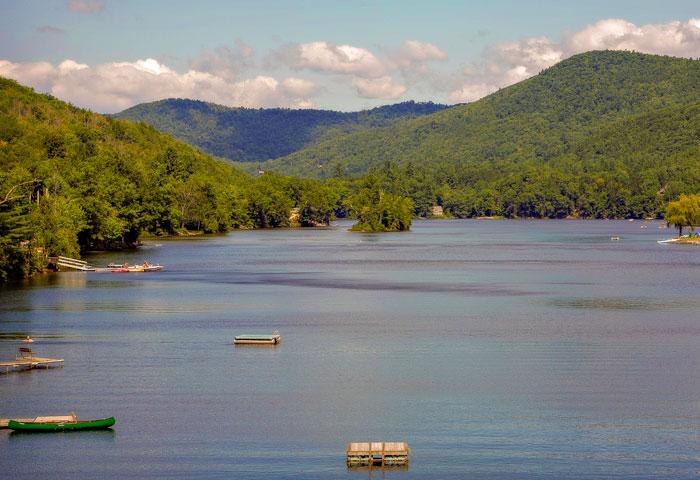
Echo Lake is a freshwater lake in the town of Charleston, in Vermont’s Northeast Kingdom. Known for its clear, cold water and relatively quiet setting, it is a popular destination for fishing, paddling, boating, and lakeside recreation. The lake is fed by the outlet of nearby Lake Seymour and forms part of the larger Clyde River watershed.
Recreation
The lake supports a wide variety of outdoor activities. Its deep, cold water attracts anglers pursuing trout and other game fish, while its sheltered shoreline and generally calm conditions make it well suited for kayaking, canoeing, swimming, and recreational boating. Local descriptions often note that Echo Lake is quieter than some neighboring Northeast Kingdom lakes, giving it a more secluded atmosphere.
Best For: Wildlife viewing
- Quiet Northeast Kingdom destination
- Light boat traffic
- Excellent birdwatching
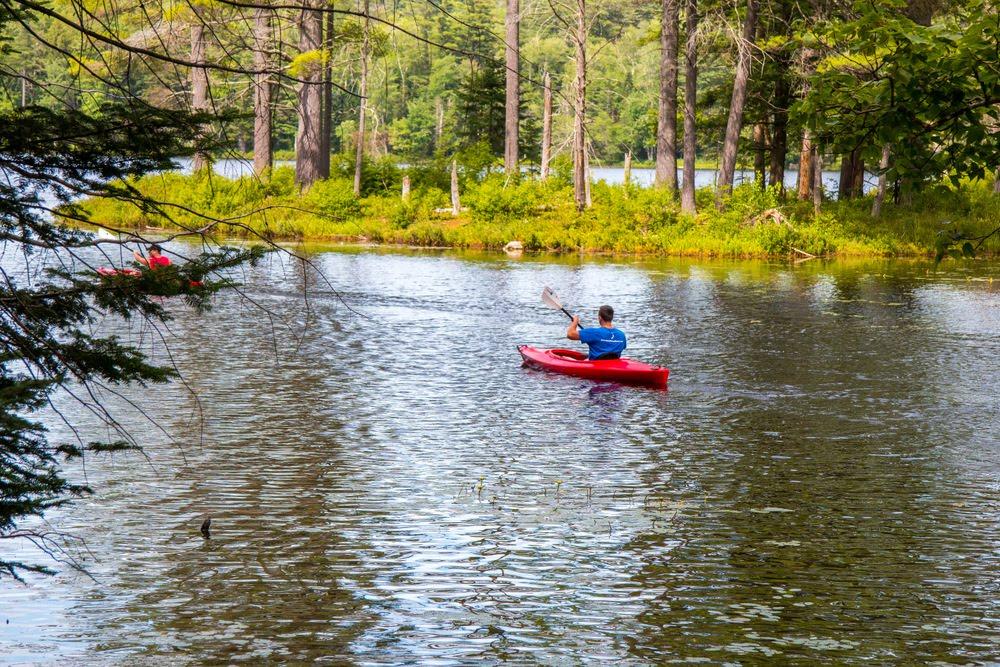
Lowell Lake is a quiet freshwater lake and protected recreation area in southern Vermont, located in the town of Londonderry. Best known for its peaceful, undeveloped character, the lake forms the centerpiece of Lowell Lake State Park, a day-use park that emphasizes nature, non-motorized recreation, and wildlife habitat rather than built facilities.
Recreation
The lake is especially popular for canoeing, kayaking, fishing, and informal swimming. Motorized boats are generally not permitted, helping preserve the calm water and natural soundscape. The park also offers picnic areas and an informal boat launch, while winter visitors use the area for activities such as snowshoeing and cross-country skiing.
Best For: Peaceful paddling
- Non-motorized boating
- Forested shoreline
- Calm conditions throughout summer
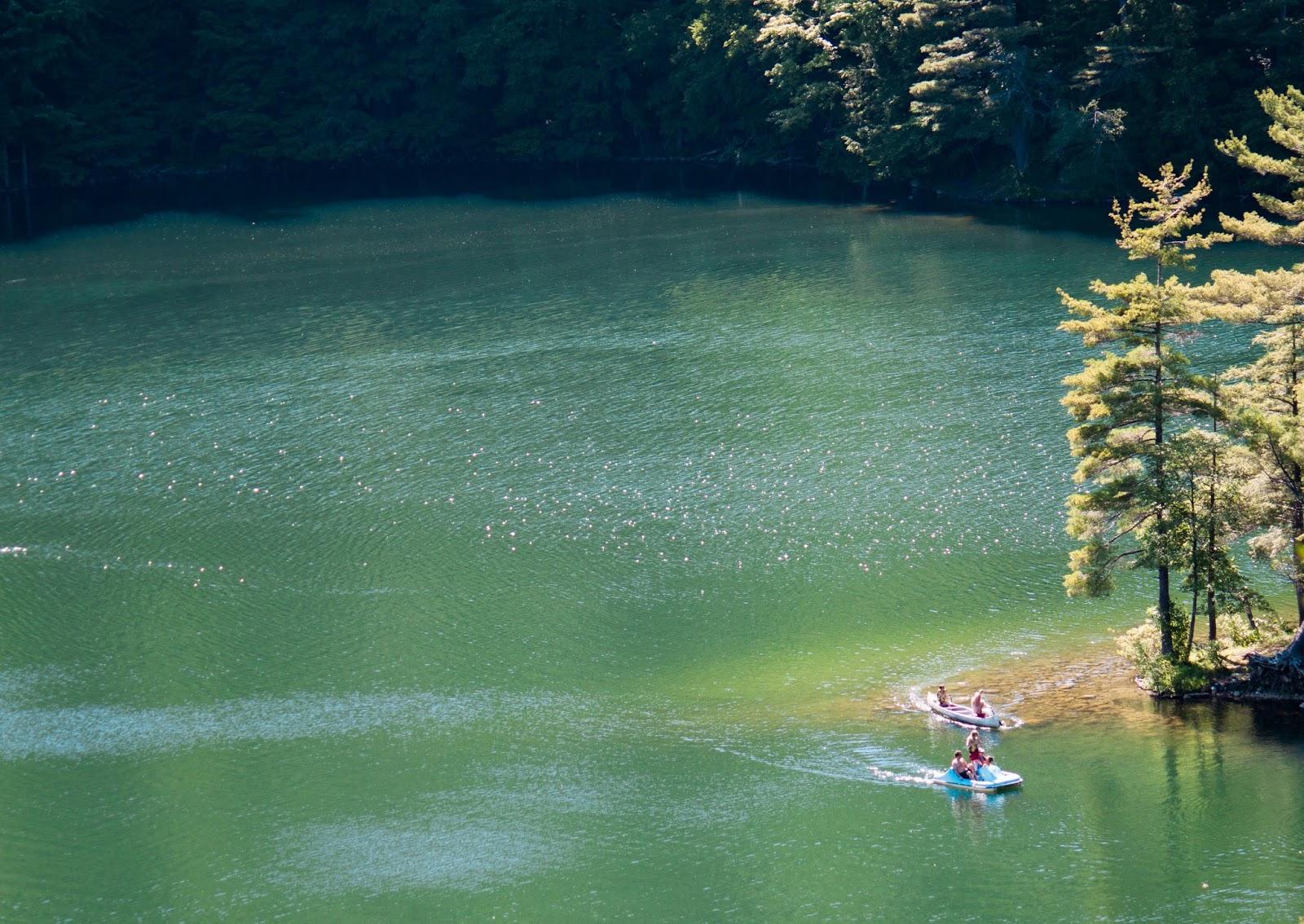
Lowell Lake is a quiet freshwater lake and protected recreation area in southern Vermont, located in the town of Londonderry. Best known for its peaceful, undeveloped character, the lake forms the centerpiece of Lowell Lake State Park, a day-use park that emphasizes nature, non-motorized recreation, and wildlife habitat rather than built facilities.
Recreation
The lake is especially popular for canoeing, kayaking, fishing, and informal swimming. Motorized boats are generally not permitted, helping preserve the calm water and natural soundscape. The park also offers picnic areas and an informal boat launch, while winter visitors use the area for activities such as snowshoeing and cross-country skiing.
Best For: Peaceful paddling
- Non-motorized boating
- Forested shoreline
- Calm conditions throughout summer
Reservoirs & River Adventures
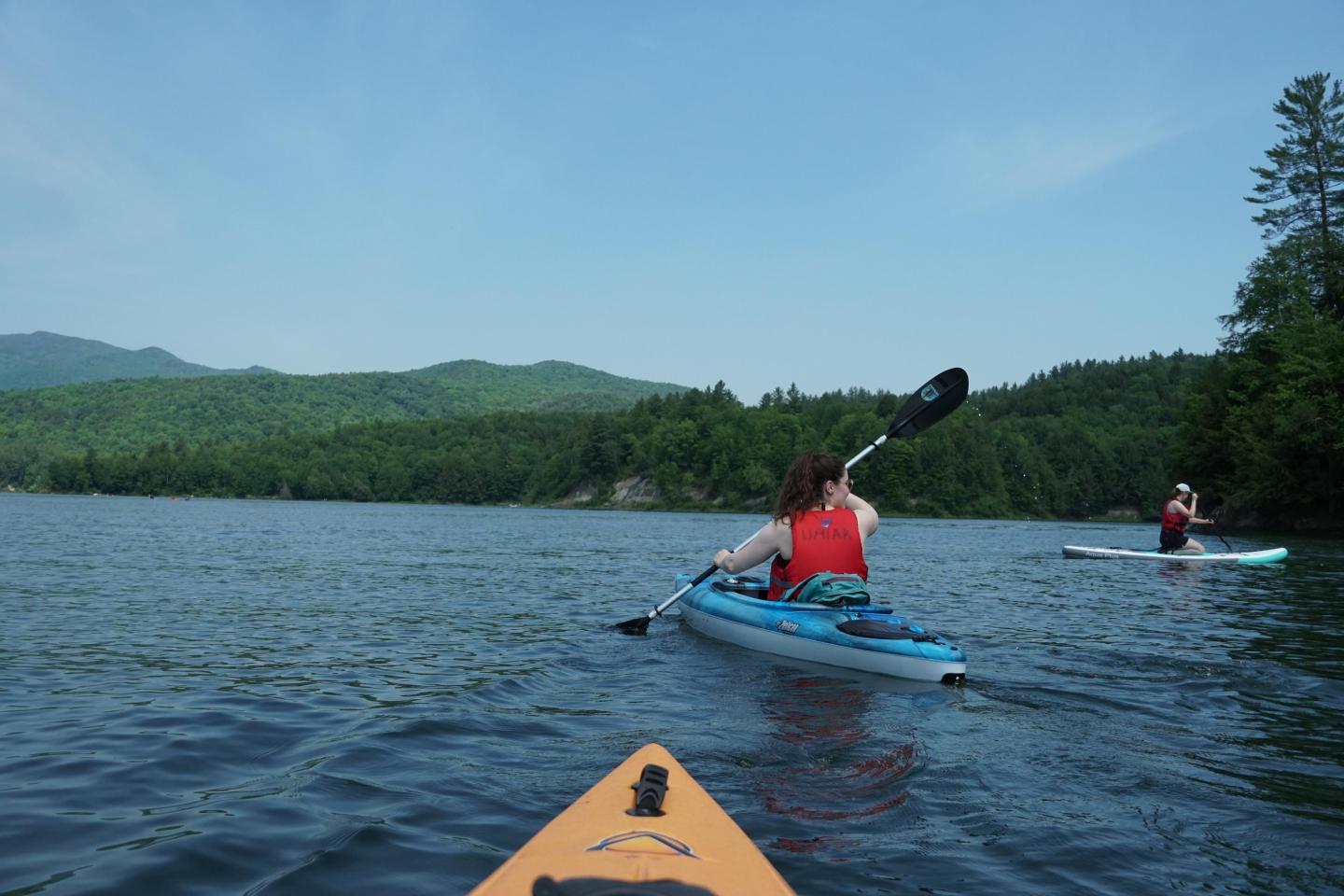
Somerset Reservoir is a large mountain reservoir in southern Vermont, located within the Green Mountain National Forest near the sparsely populated town of Somerset. Known for its remote wilderness setting, undeveloped shoreline, and excellent paddling and fishing opportunities, it is one of Vermont’s most secluded and scenic bodies of water.
Recreation
The reservoir is especially popular for kayaking, canoeing, small-boat recreation, and fishing. Because the surrounding area is remote and largely free of development, visitors often experience a sense of wilderness uncommon among New England lakes. The water is also known for submerged tree stumps left from the original flooding of the valley, a reminder of the landscape that existed before the reservoir was created.
Best For: Remote wilderness experiences
- Located within Green Mountain National Forest
- Minimal development
- Excellent solitude
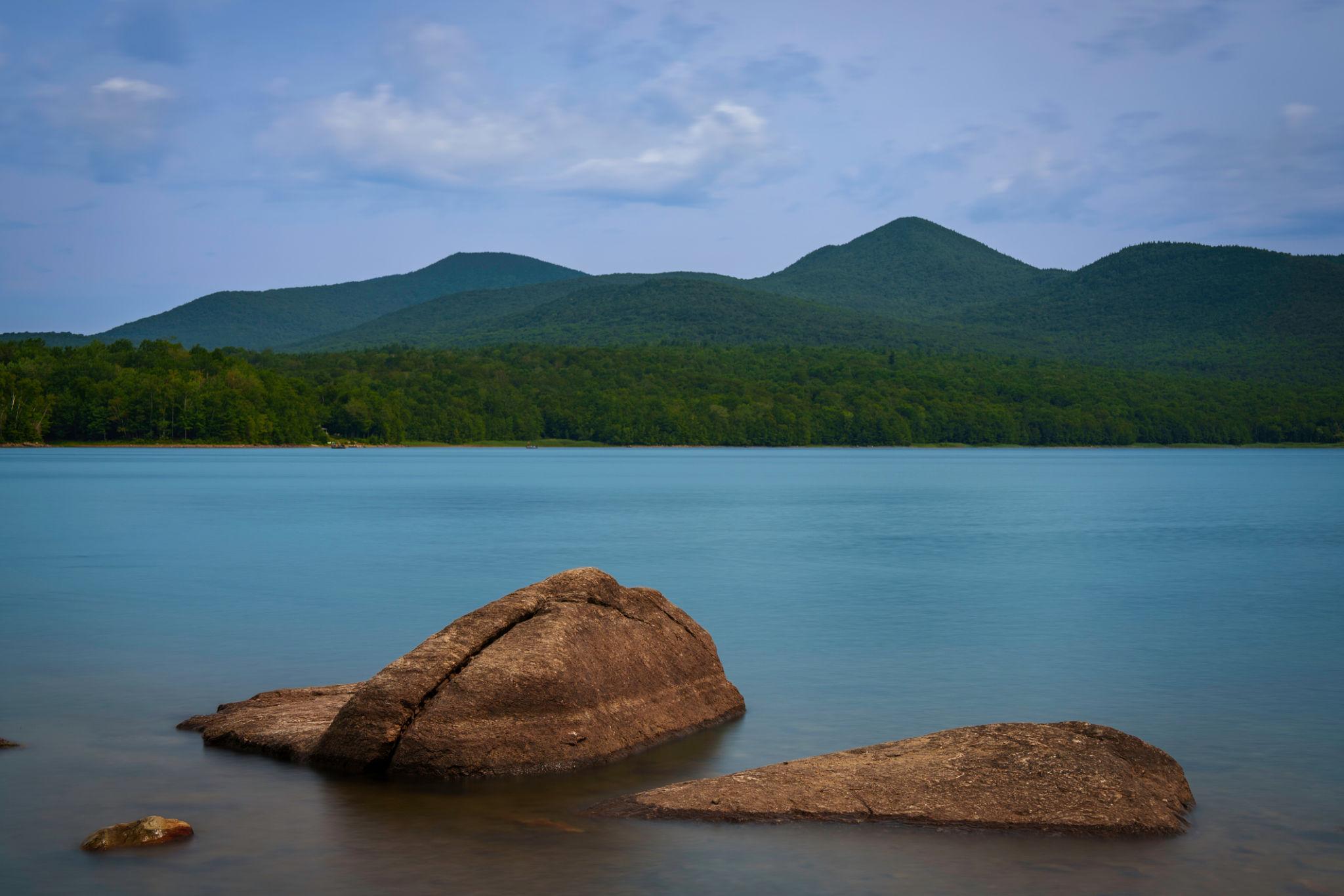
Chittenden Reservoir is a scenic mountain reservoir in the town of Chittenden, Vermont, on the western flank of the Green Mountains. Surrounded by largely undeveloped forestland, it is known for its quiet setting, paddling opportunities, fishing, and views of Vermont’s natural landscape. The reservoir is one of the area’s most popular outdoor recreation destinations and is located near several hiking and sightseeing attractions in Rutland County.
Recreation
Fishing, kayaking, canoeing, and small-boat recreation are among the most common activities on the reservoir. Its relatively sheltered waters appeal to paddlers seeking a peaceful experience, while anglers visit for warm-water and cold-water fishing opportunities. The area is valued more for its natural atmosphere than for extensive commercial facilities or resort-style development.
Best For: Quiet exploration
- Clear water and wooded shoreline
- Less crowded than many Vermont lakes
- Great camping nearby
Connecticut River
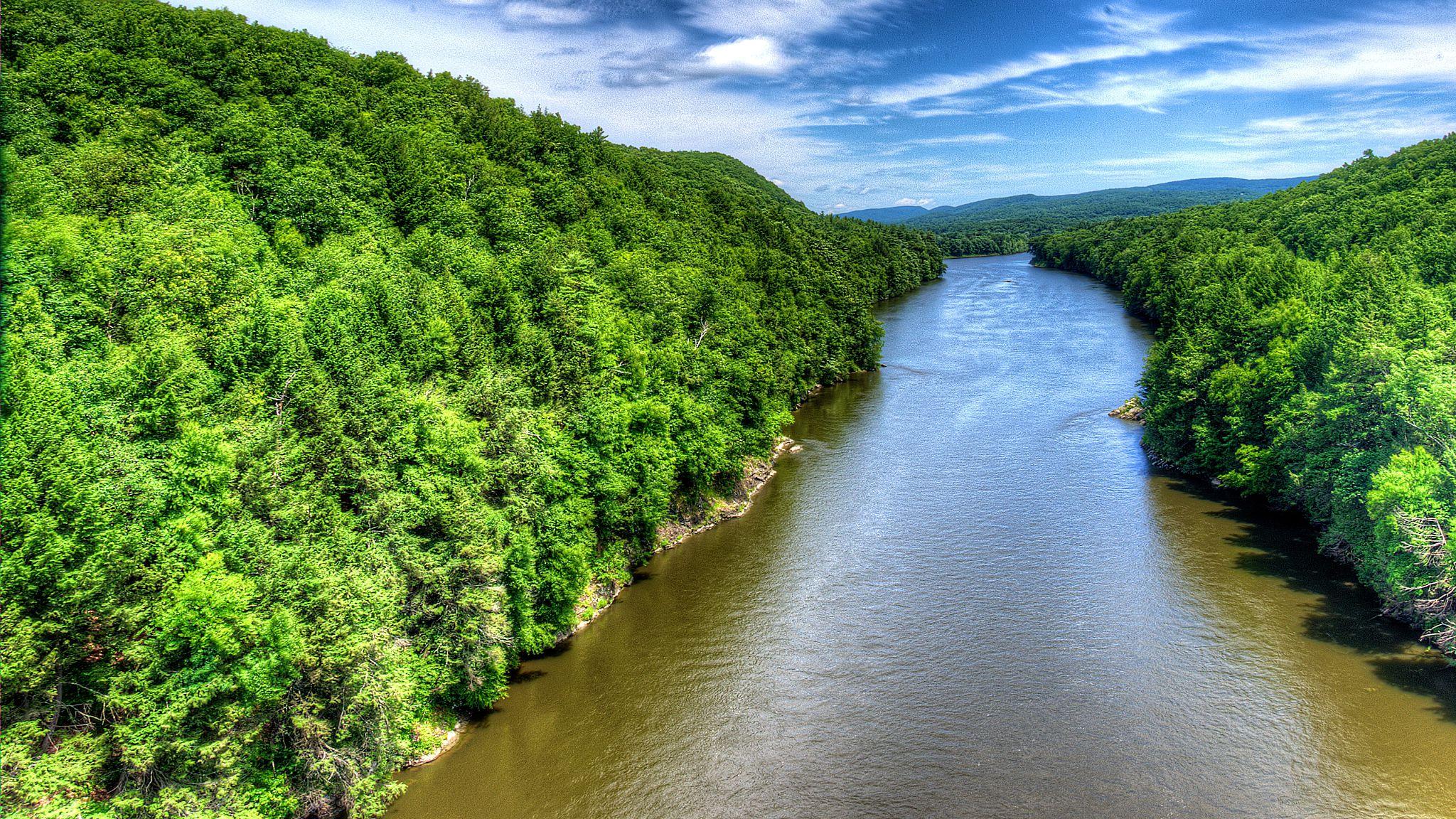
The Connecticut River is the longest river in New England, flowing from northern New Hampshire near the Canadian border to Long Island Sound. Along much of its upper and middle course, it forms the boundary between Vermont and New Hampshire and serves as one of the defining geographic features of both states.
Recreation
The stretch between Vermont and New Hampshire includes the region known as the Upper Valley, centered around communities such as Lebanon and White River Junction. Here the river flows through broad valleys, forested hills, agricultural land, and historic towns, making it a major corridor for transportation, recreation, and settlement.
Best For: Multi-day trips
- Long stretches of calm water
- Numerous access points
- Excellent birdwatching
Otter Creek
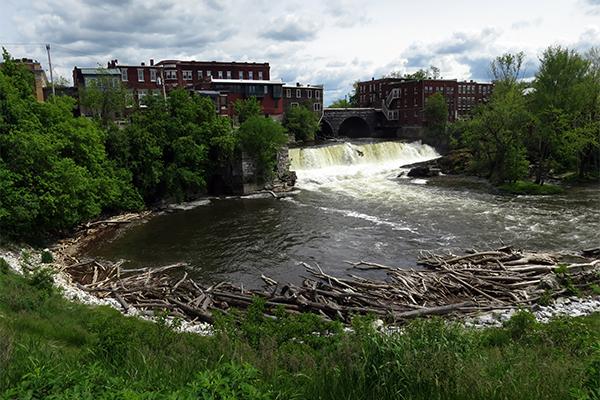
Otter Creek is a major river in western Vermont and the longest river located entirely within the state. Flowing roughly 112 miles from the Green Mountains to Lake Champlain, it has shaped settlement, agriculture, transportation, and recreation across much of western Vermont for thousands of years.
Recreation
The river is popular for canoeing, kayaking, boating, birdwatching, and fishing. Upper sections are known for trout waters, while the lower river supports species such as northern pike, bass, and carp. The navigable stretch near Vergennes and Lake Champlain attracts recreational boaters and paddlers throughout the warmer months.
Best For: Quiet exploration
- Clear water and wooded shoreline
- Less crowded than many Vermont lakes
- Great camping nearby
Northern Vermont Rivers
Lamoille River
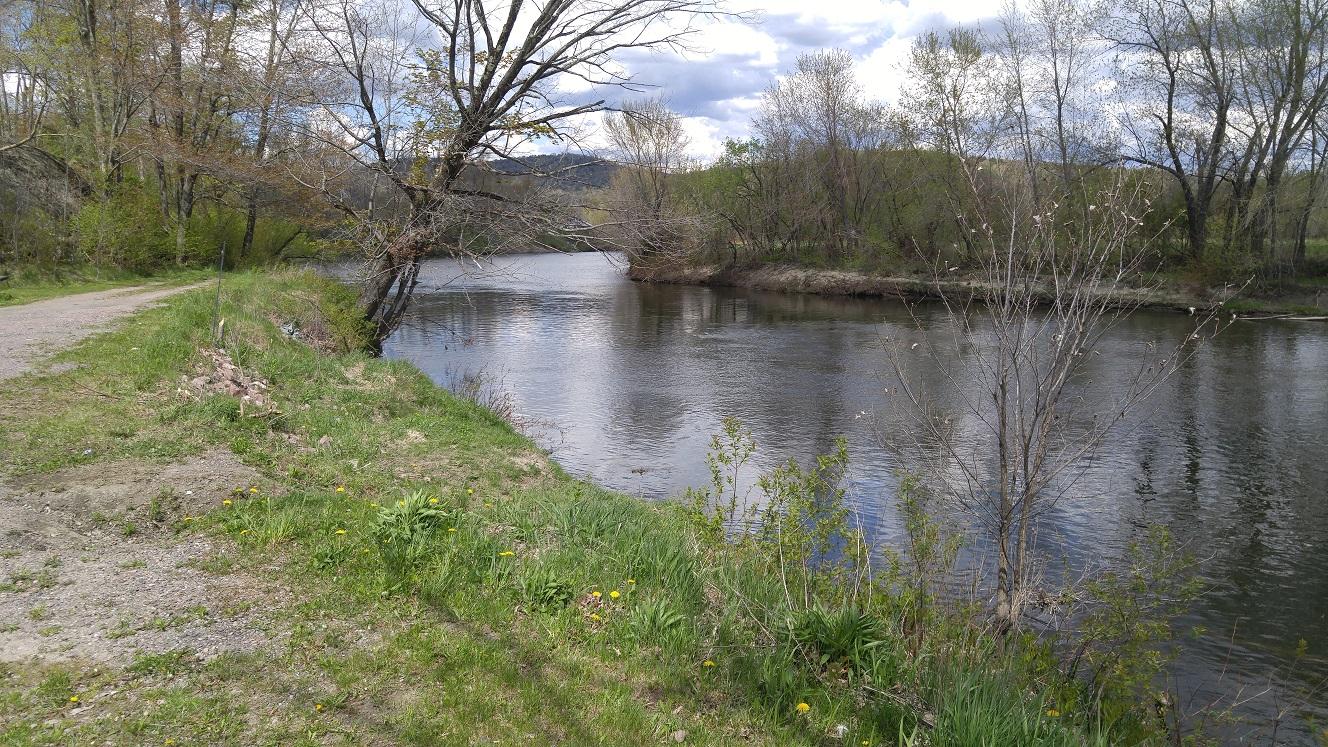
The Lamoille River is one of northern Vermont’s major waterways, flowing about 85 miles from its headwaters in the Northeast Kingdom region westward to Lake Champlain. It drains a watershed of roughly 706 square miles and gives its name to Lamoille County, making it a defining geographic feature of the region.
Recreation
The Lamoille is widely used for paddling, fishing, swimming, wildlife observation, and trail-based recreation. Portions of the river run alongside the popular Lamoille Valley Rail Trail, creating opportunities to combine cycling with river access. The river’s gentle stretches, scenic farmland views, swimming holes, and trout habitat make it a favorite destination for outdoor enthusiasts.
Best For: Scenic countryside paddling
- Flows through farms and forests
- Easy-going current
- Beautiful summer scenery
Winooski River
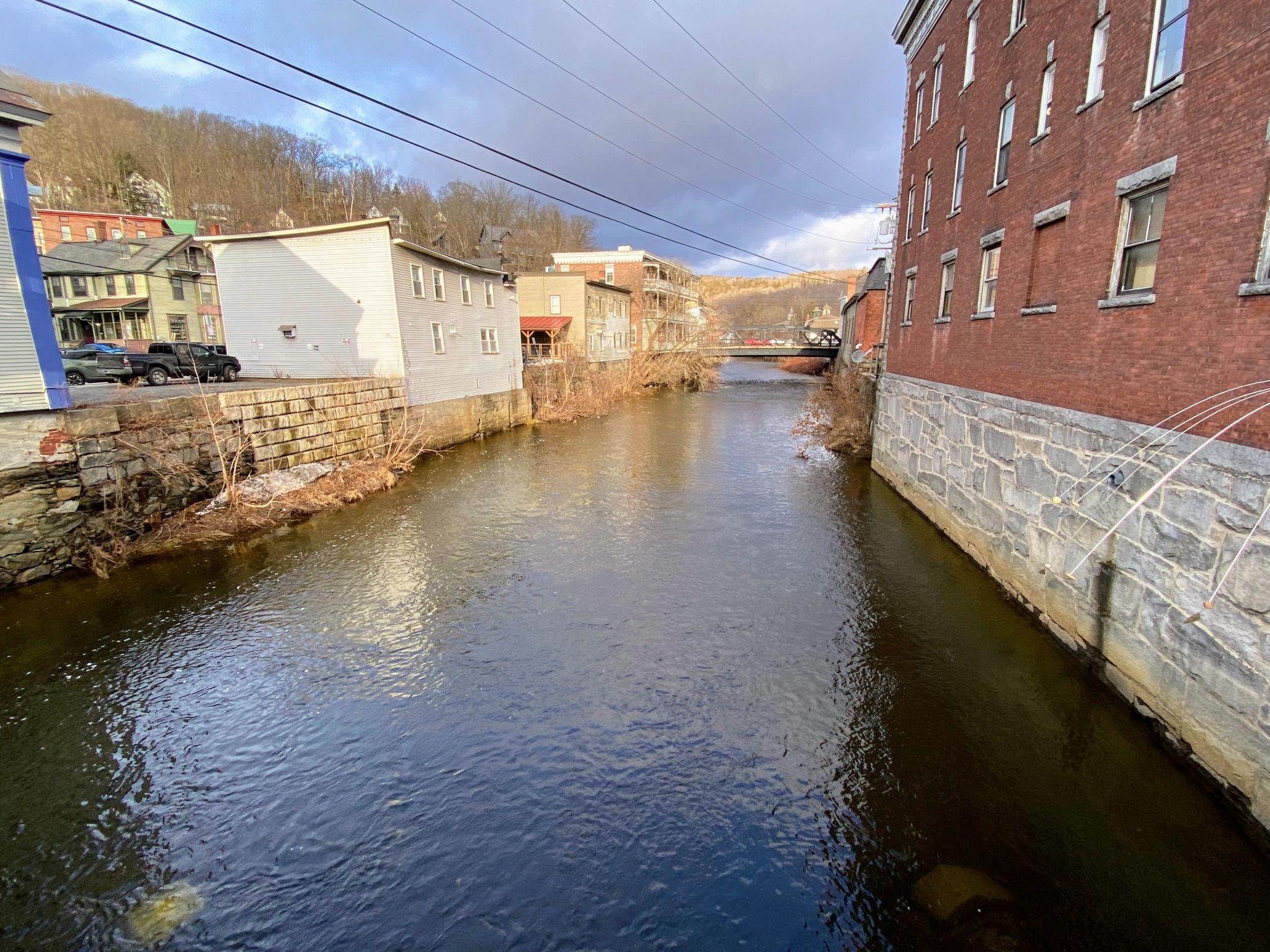
The Winooski River is one of Vermont’s most important waterways, flowing through central and northwestern Vermont from its headwaters in Cabot to Lake Champlain. Known historically as the Onion River, it forms a major natural corridor linking the Green Mountains, Montpelier, Waterbury, Winooski, and the Burlington area, while draining the largest watershed that feeds Lake Champlain.
Recreation
The river supports fishing, paddling, swimming, and wildlife habitat throughout its course. Its watershed contains extensive forests, mountain streams, floodplains, wetlands, and the biologically rich delta where the river enters Lake Champlain, providing important habitat for fish, birds, turtles, and other species.
Best For: Variety
- Mix of rural and developed landscapes
- Suitable for several skill levels
- Convenient access from many towns
LaPlatte River
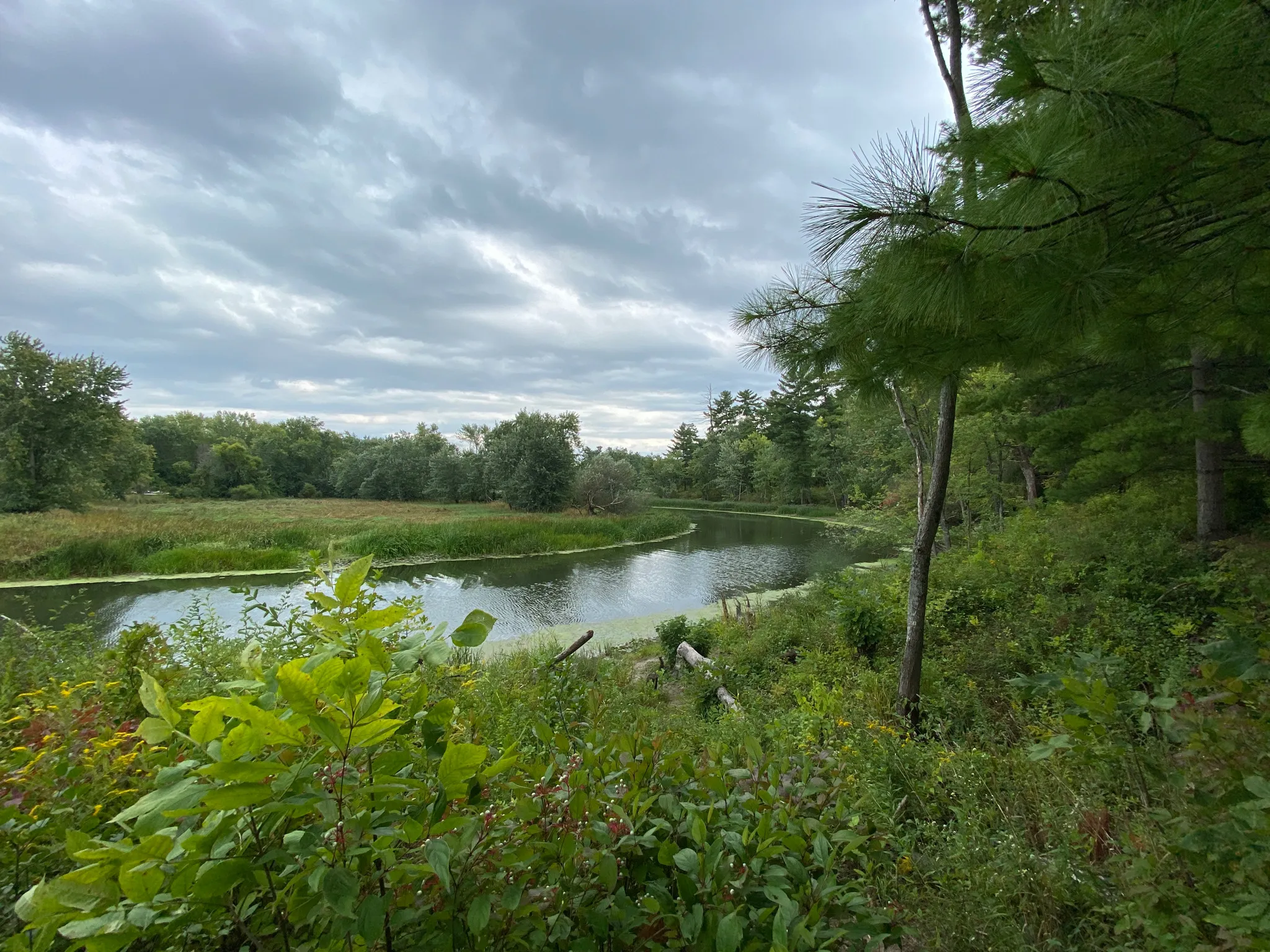
The LaPlatte River is a small but ecologically important river in northwestern Vermont that flows through the town of Shelburne before emptying into Lake Champlain. Despite its modest size, it supports significant wildlife habitat, recreation opportunities, and water-quality protection efforts within the Lake Champlain watershed.
Recreation
The river corridor offers a variety of low-impact outdoor activities. The nearby LaPlatte Nature Park contains approximately 145 acres of trails that follow the river through fields and woodlands and are popular for walking, running, snowshoeing, cross-country skiing, fishing, and wildlife observation. Portions of the marsh can also be explored by canoe or kayak.
Best For: Hidden-gem paddling
- Marshes and wetlands rich in wildlife
- Easy access near Lake Champlain
- Excellent birdwatching opportunities
Clyde River
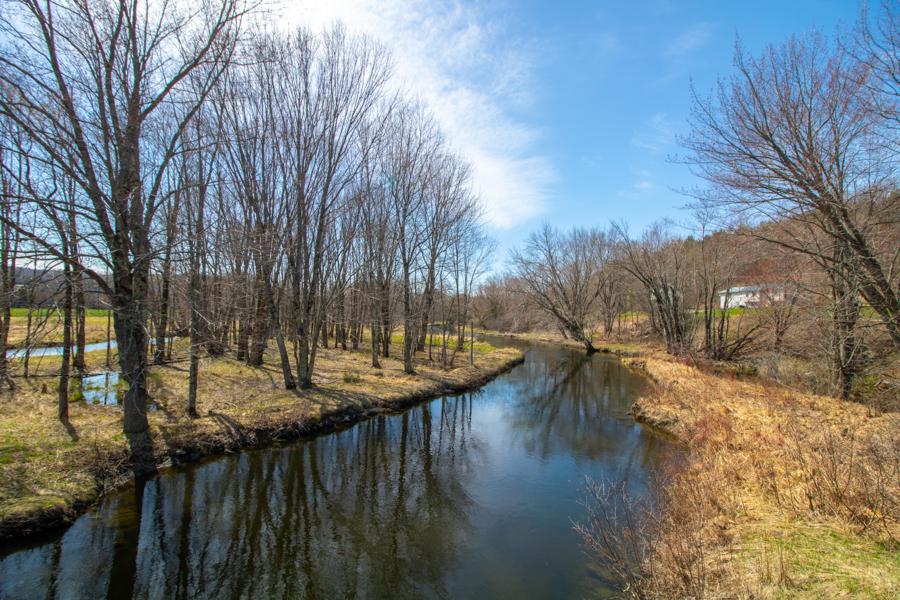
The Clyde River is a scenic river in Vermont’s Northeast Kingdom that flows from the Island Pond area northwest to Lake Memphremagog near Newport. Stretching about 33.5 miles, it is one of the region’s most important waterways, known for its connected chain of lakes, recreational opportunities, hydroelectric history, and recovering Atlantic salmon population.
Recreation
The Clyde is one of the Northeast Kingdom’s premier paddling rivers and forms part of the Northern Forest Canoe Trail. Much of the river is slow-moving and well suited to canoeing and kayaking, while certain sections provide Class I–III whitewater conditions. Its secluded setting, wetlands, forests, and abundant wildlife make it a popular destination for anglers, paddlers, and nature enthusiasts.
Best For: Wildlife photography
- Known for herons, loons, and eagles
- Calm water conditions
- Popular among nature lovers
Vermont’s lakes, rivers, and reservoirs provide hundreds of miles of paddling opportunities, from beginner-friendly flatwater to wilderness adventures. Whether you’re exploring the Champlain Valley, the Green Mountains, or the Northeast Kingdom, you’ll find unforgettable kayaking and paddleboarding experiences.